As the host of the 18th BRICS Summit, India is all set to impel global leaders to adopt green tourism, aligning sustainability with global cooperation and eco‑friendly practices.
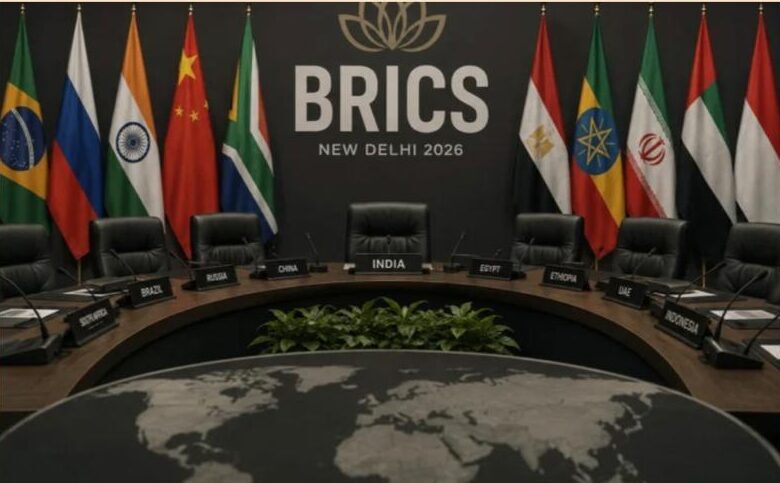
India will host the 18th BRICS Summit on September 12–13, 2026, at Bharat Mandapam in New Delhi. As the stage is set for global leaders to exchange their key concerns on this platform, among its key priorities, India is going to push for ‘Green Tourism’ as a strategic agenda to align sustainable development with global cooperation. Green Tourism emphasises eco‑friendly practices, reduced carbon footprints, and community‑based initiatives that protect natural and cultural heritage.
By foregrounding the green tourism theme, India aims to encourage BRICS nations to adopt policies that balance economic growth with environmental responsibility. Expected topics include renewable energy integration in tourism infrastructure, promotion of eco-villages, and incentives for low-impact travel.
Positioning tourism as a driver of sustainability, India seeks to showcase its own models, from eco‑resorts in Kerala to heritage conservation in Rajasthan, as examples of how responsible travel can foster both prosperity and preservation.

Green Tourism Projects In India
As the tourism sector is expanding in India, sustainability now plays a key role in the sector’s long-term development. Protecting natural ecosystems, cultural heritage, and local traditions is crucial to ensure that future generations can continue to enjoy and benefit from the country’s diverse tourism assets.
To do so, India is focusing on the visible challenges in the sector such as over-tourism and exhaustion of natural resources. To tackle the pressures of overtourism at popular tourist sites, the Government is cultivating niche tourism experiences. From Himalayan trekking trails and birdwatching circuits to curated turtle tourism programmes, these initiatives are designed to disperse visitor traffic while opening up fresh opportunities in lesser-known destinations.
Sustainability is being further advanced through the ‘Travel for LiFE’ campaign, which inspires tourists, businesses, and local communities to embrace eco-conscious practices. By encouraging mindful choices that reduce ecological footprints, the programme positions responsible travel as a shared commitment across all stakeholders.
Global Acclaim Of India’s Green Tourism Initiatives
Global leaders are also appreciating and recognising India’s push for sustainable tourism. Mamallapuram in Tamil Nadu has recently set a milestone by becoming the first UNESCO World Heritage site in South Asia to secure the prestigious ‘Green Destinations Silver’ certification, which is an achievement that underscores best practices in responsible destination management.
Other activities that are backing these initiatives include the Challenge-Based Destination Development (CBDD) programme, under which the Indian government has approved 38 projects worth ₹697.94 crore, focusing on spiritual and eco-tourism. Notable examples include the Panidihing Bird Sanctuary in Assam and the reservoir eco-tourism initiative at Nizam Sagar in Telangana.
Together, these efforts highlight India’s evolving tourism model –– one that seeks to harmonise economic growth with environmental stewardship and cultural preservation, setting benchmarks for global communities. With this awareness, India is prepared to share its knowledge and experiences on how to create a greener world at the BRICS Summit 2026.