From Delhi’s grand theatrical spectacles to the historic Ramleela of Ramnagar and the vibrant celebrations of Kullu, discover seven destinations where India brings the triumph of good over evil to life during the festivities of Dussehra.
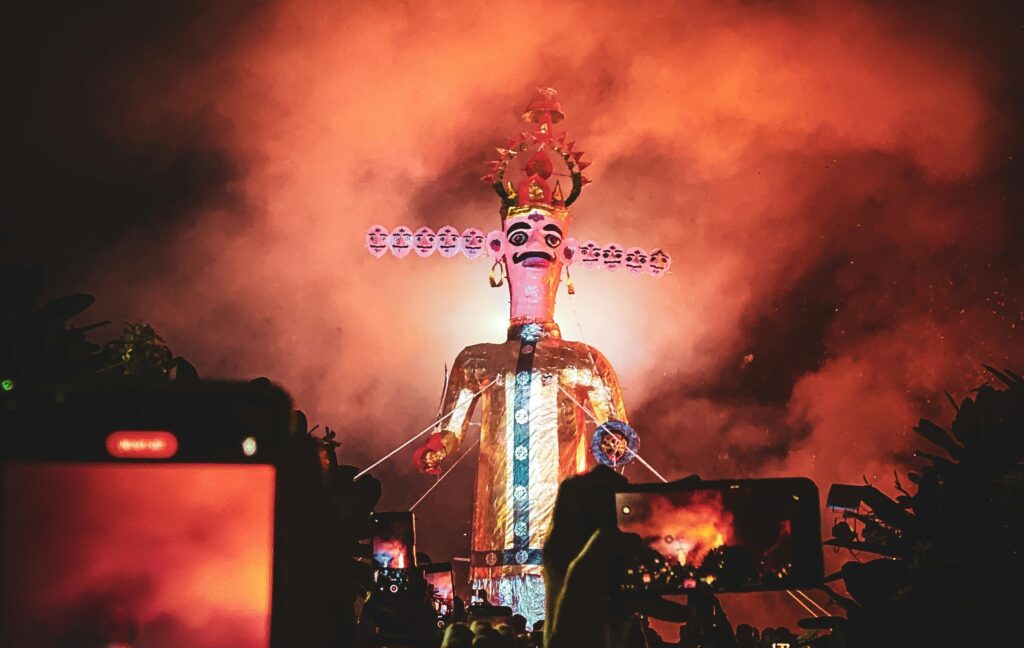
As festive vibes eclipse every corner of India in October and autumn paints the Indian skies in warm hues, you can hear sounds of devotional songs, drum rhythms, and celebratory notes from every corner of the country. This is the sign of the arrival of Dussehra, also known as Vijayadashami. Dussehra marks the victory of Lord Rama over Ravana in the Ramayana tradition and, in many parts of India, the triumph of Goddess Durga over Mahishasura.
Dussehra is more than a festival observed on a calendar across India. It is a living cultural experience, expressed through elaborate theatrical performances, centuries-old traditions, towering effigies, community gatherings and spectacular celebrations that bring entire towns together.
For domestic and international travellers, the festival offers an opportunity to explore India through its mythology, performing arts, regional customs and festive landscapes. While the burning of Ravana’s effigy remains a defining moment in many celebrations, each destination tells the story differently. Some are renowned for their elaborate Ramlila productions, others for their royal traditions, and a few for distinctive regional interpretations of the festival.
Here are seven destinations where Ramlila and Dussehra celebrations deserve a place on every festive travel itinerary.
1. Delhi
Delhi during Dussehra becomes a grand open‑air stage, alive with Ramlila performances, glowing festival grounds, bustling markets, and the dramatic burning of effigies of Ravana, Meghnada, and Kumbhakarna.
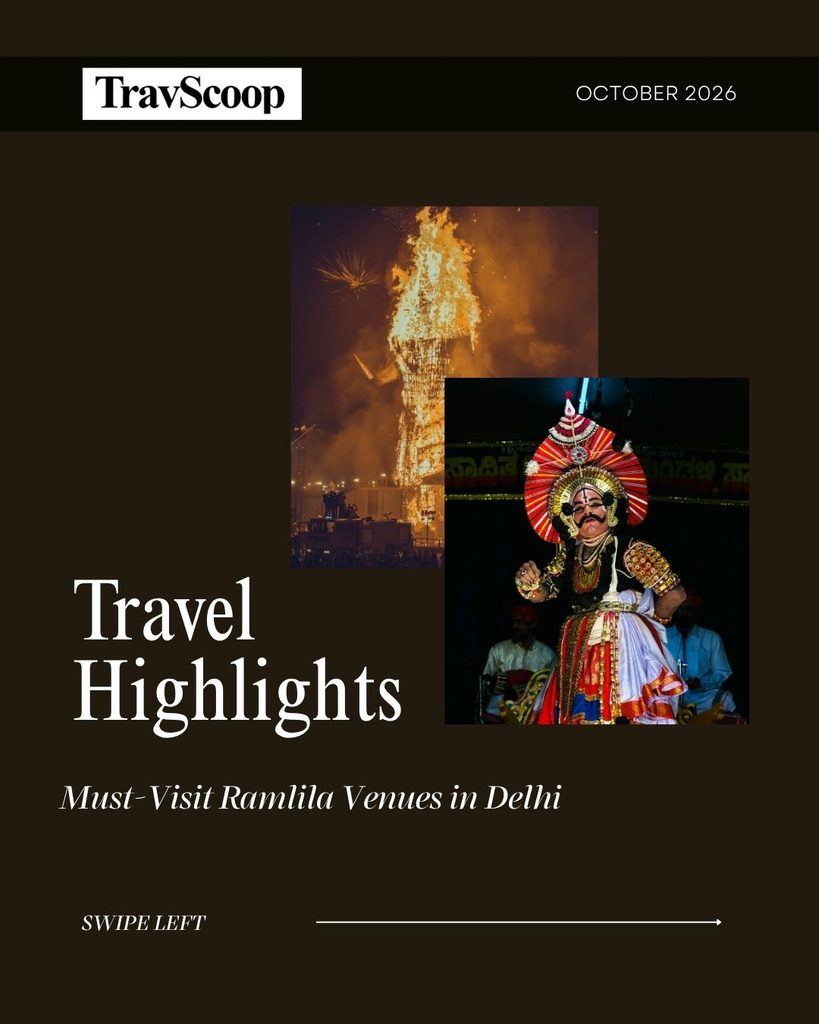
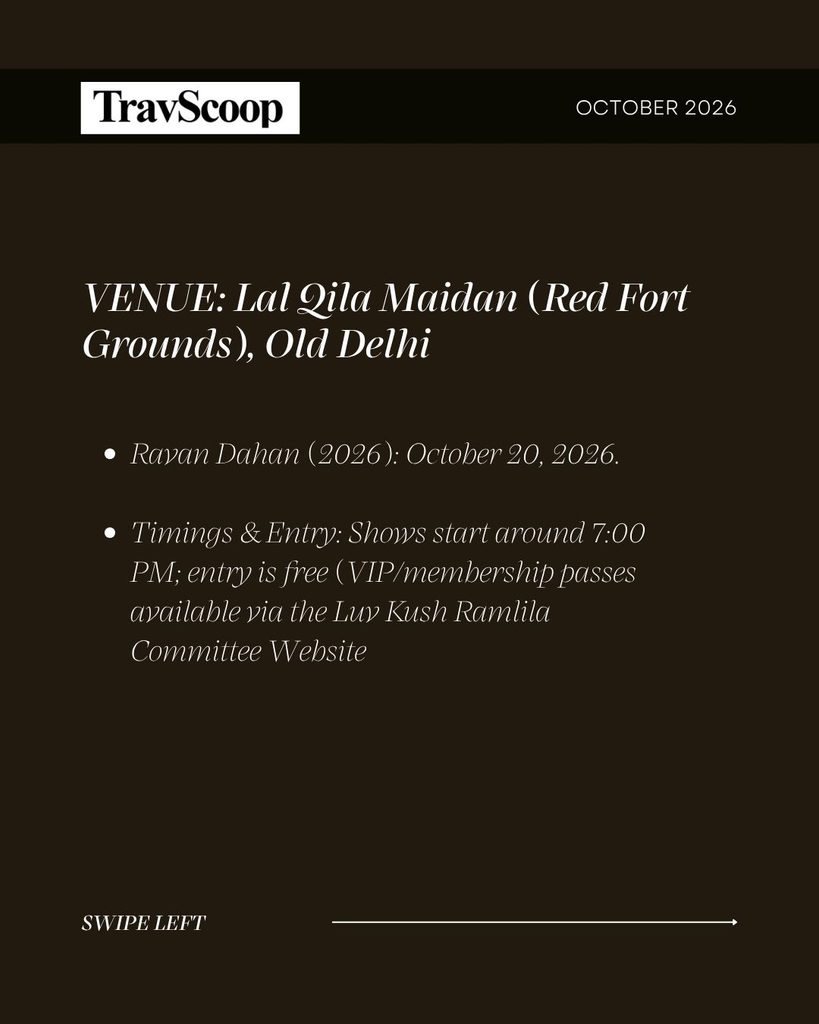
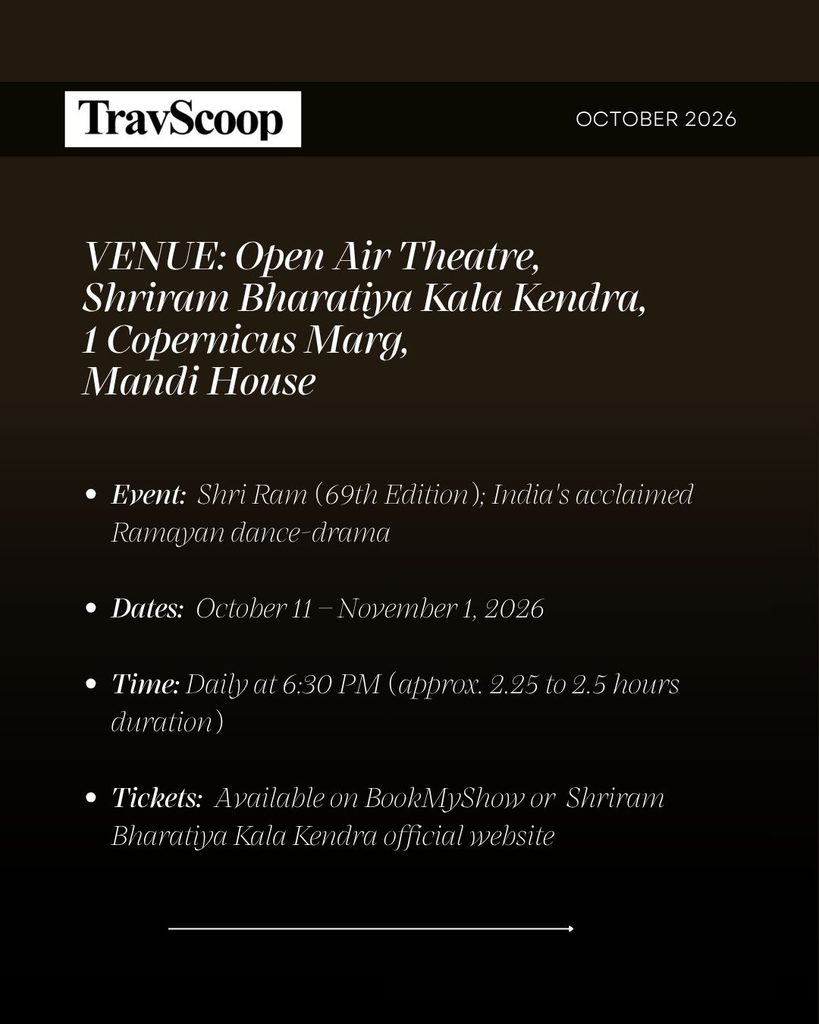
Delhi’s iconic Ramlila venues, including the Red Fort Grounds (Lal Qila), Ramlila Maidan, and the Shriram Bharatiya Kala Kendra (SBKK), have long staged spectacular productions that fuse tradition with modern artistry. At SBKK’s Open Air Theatre on Copernicus Marg, audiences experience its celebrated annual Shri Ram dance‑drama, a 2.5‑hour Sampoorna Ramayan that combines timeless storytelling with elaborate sets, vibrant costumes, evocative music, and contemporary stagecraft.
Beyond Ramlila, one can also explore Durga Puja pandals at Kashmere Gate and CR Park, which showcase late Navratri and Dashami traditions, while lively Dandiya nights add a playful rhythm to the season.
Festival‑goers can also indulge in budget‑friendly shopping at Chandni Chowk, savour Old Delhi’s street food specials, and explore landmarks like the Red Fort, Akshardham Temple, Lotus Temple, and Jantar Mantar. October’s pleasant weather makes sightseeing especially rewarding.
2. Kullu, Himachal Pradesh
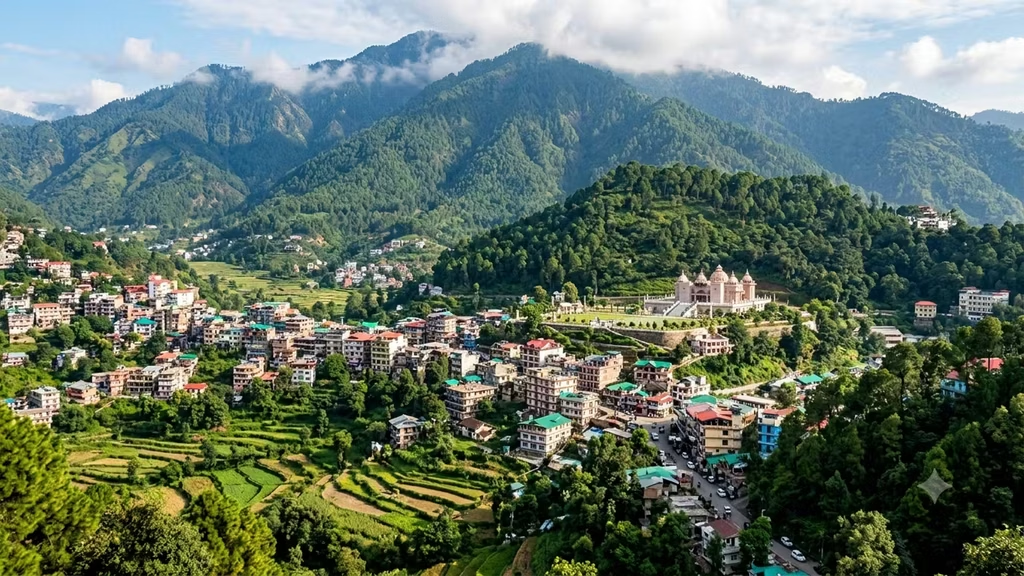
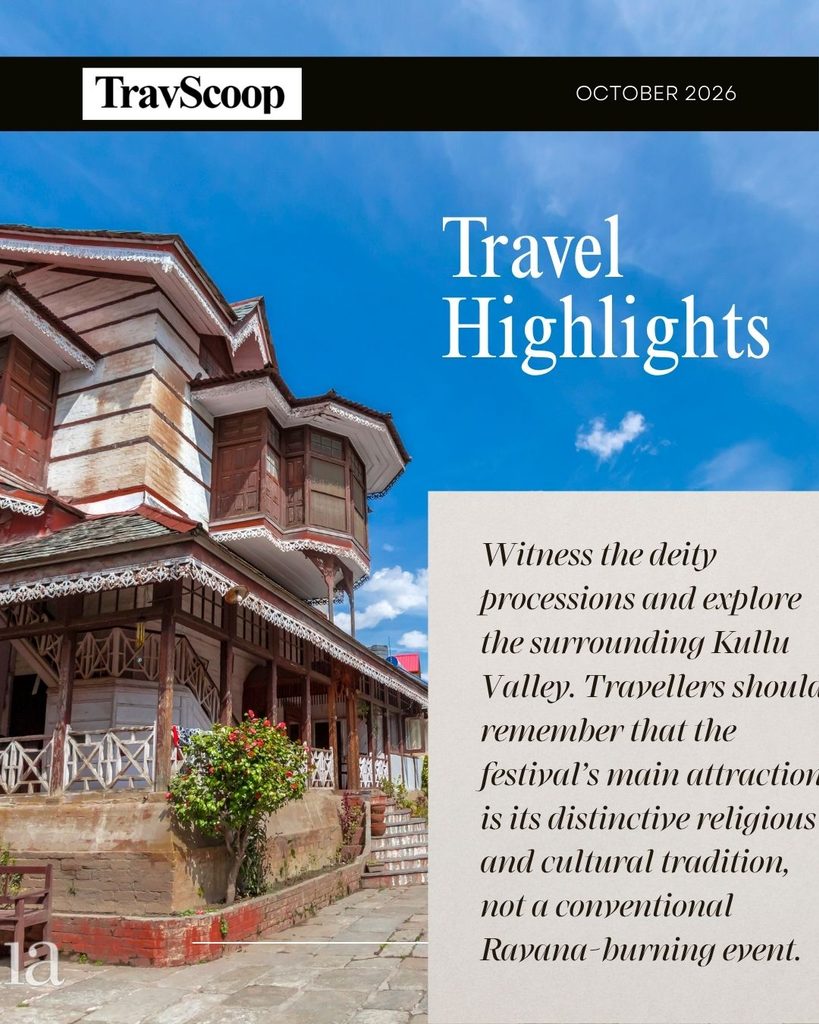
Kullu Valley offers a distinctive interpretation of the festival. Rather than centring on the familiar Ravana effigy-burning spectacle, the celebration is known for the gathering of village deities, traditional processions and devotional festivities in the Himalayan town.
The festival begins on Vijayadashami and continues for several days, bringing together local communities and representatives of numerous village temples. The procession of Lord Raghunath, the presiding deity associated with the festival, forms a central part of the celebrations. It is particularly attractive to travellers who want to combine a cultural experience with the landscapes of Himachal Pradesh.
3. Ayodhya, Uttar Pradesh
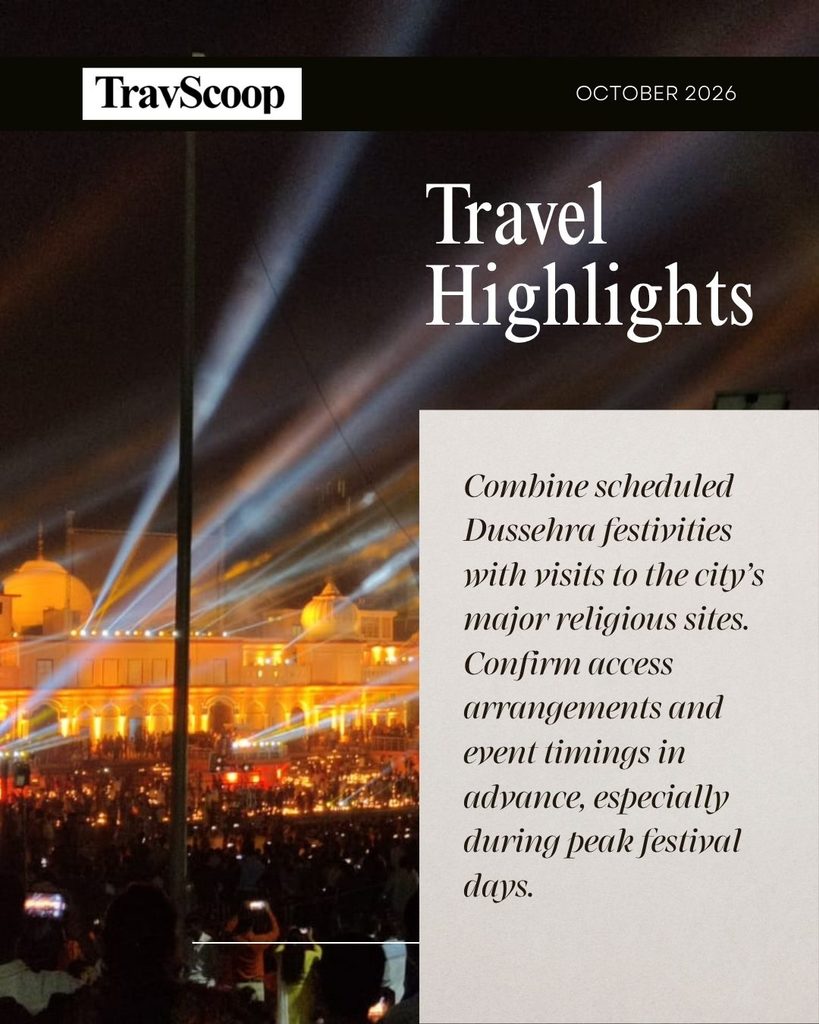
Few places carry the cultural resonance of Ayodhya, traditionally regarded as Lord Rama’s birthplace. During Dussehra, the city’s religious significance becomes especially visible through devotional gatherings, Ramayana-themed programmes and festive activity around its temples and sacred spaces.
The celebrations connect the narrative of Rama’s life with the living traditions of pilgrimage. Visitors may encounter religious performances, processions and community events, alongside the wider atmosphere of a city closely associated with the epic.
Ayodhya’s appeal lies in the relationship between mythology, sacred geography and contemporary religious life. For travellers, the experience is as much about understanding the city’s place in the Ramayana tradition as it is about attending a particular performance.
4. Varanasi, Uttar Pradesh
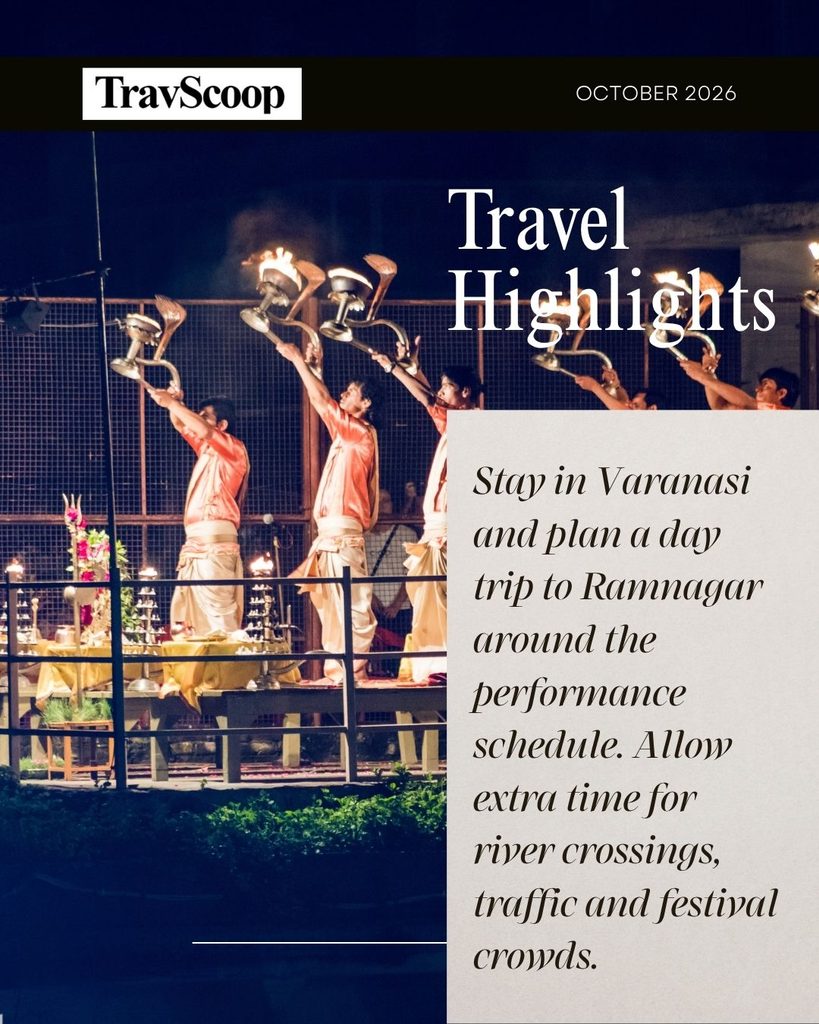
Varanasi offers a distinctive setting for experiencing the Ramayana through performance. The city’s devotional atmosphere, centuries-old religious traditions and proximity to Ramnagar make it an important destination for travellers interested in the cultural history of Ramlila.
The Ramnagar Ramleela, across the Ganga from Varanasi, is particularly notable for its expansive format. Rather than confining the epic to a single stage, the production uses different locations to represent the places and events in Rama’s story. Audiences follow the unfolding narrative through the town, turning the performance into a shared public experience.
5. Jaipur, Rajasthan
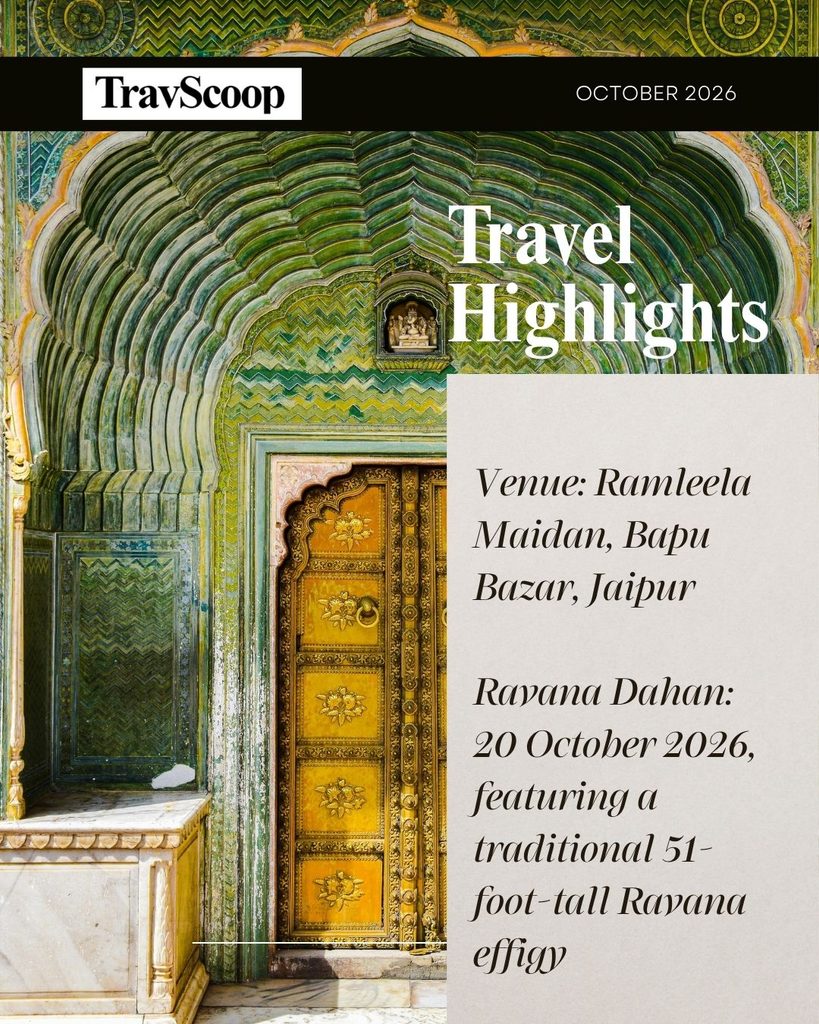
Jaipur’s architectural grandeur provides a colourful backdrop for the festive season. During Dussehra, local Ramlila committees, neighbourhood celebrations and public gatherings bring the story of Rama and Ravana to audiences across the city.
The festival offers visitors a chance to experience Rajasthan beyond its forts and palaces. Temporary fairgrounds, festive markets, traditional attire and family gatherings reveal the community dimension of the celebration, while effigy burning brings the evening to a dramatic close at designated venues.
For travellers, Jaipur is also convenient for combining a festival visit with heritage walks, traditional Rajasthani cuisine and explorations of the Pink City’s historic landmarks.
6. Mysuru, Karnataka
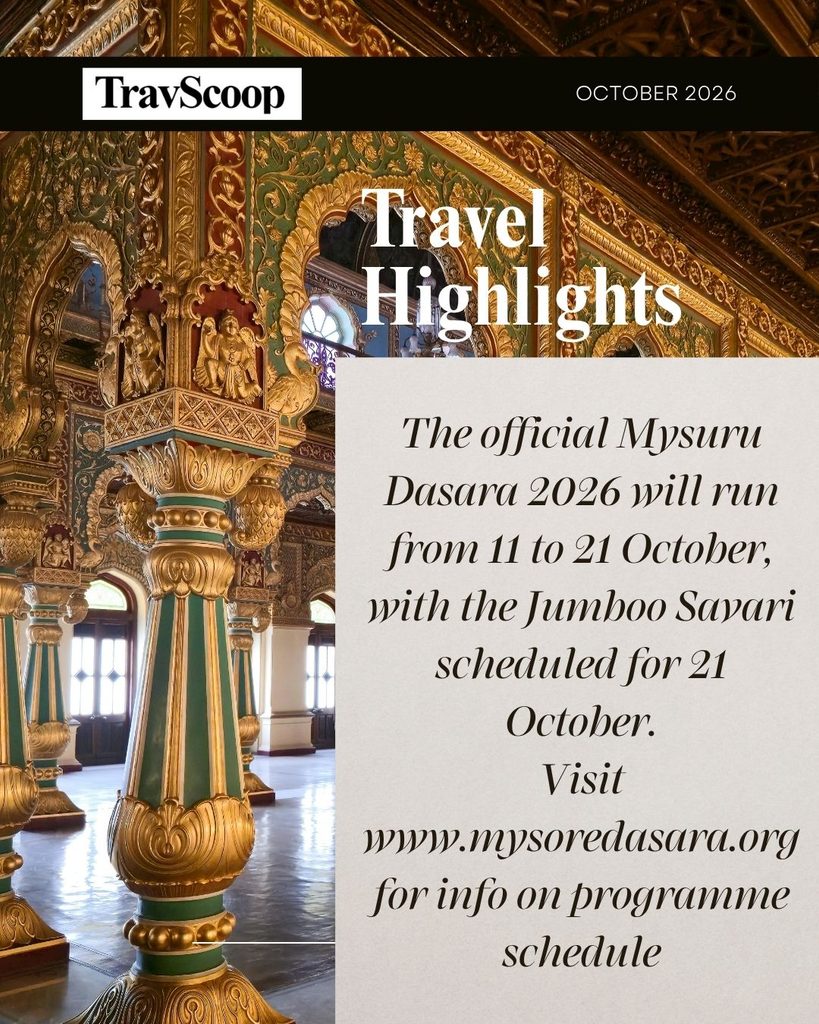
Mysuru presents one of India’s most distinctive Dussehra experiences. Known locally as Dasara, the festival centres on the victory of Goddess Chamundeshwari over Mahishasura and is celebrated through royal traditions, cultural performances and the grand Jumboo Savari procession.
The illuminated Mysuru Palace becomes a focal point of the celebrations, while the procession features decorated elephants, traditional music and ceremonial pageantry. Cultural programmes, exhibitions and food fairs extend the festivities across the city.
Unlike the conventional Ramlila-and-Ravana-Dahan format, Mysuru’s defining attraction is its royal procession and its association with the worship of Goddess Chamundeshwari. This makes it an essential inclusion for travellers seeking to understand the regional diversity of Dussehra.
7. Jagdalpur, Chhattisgarh
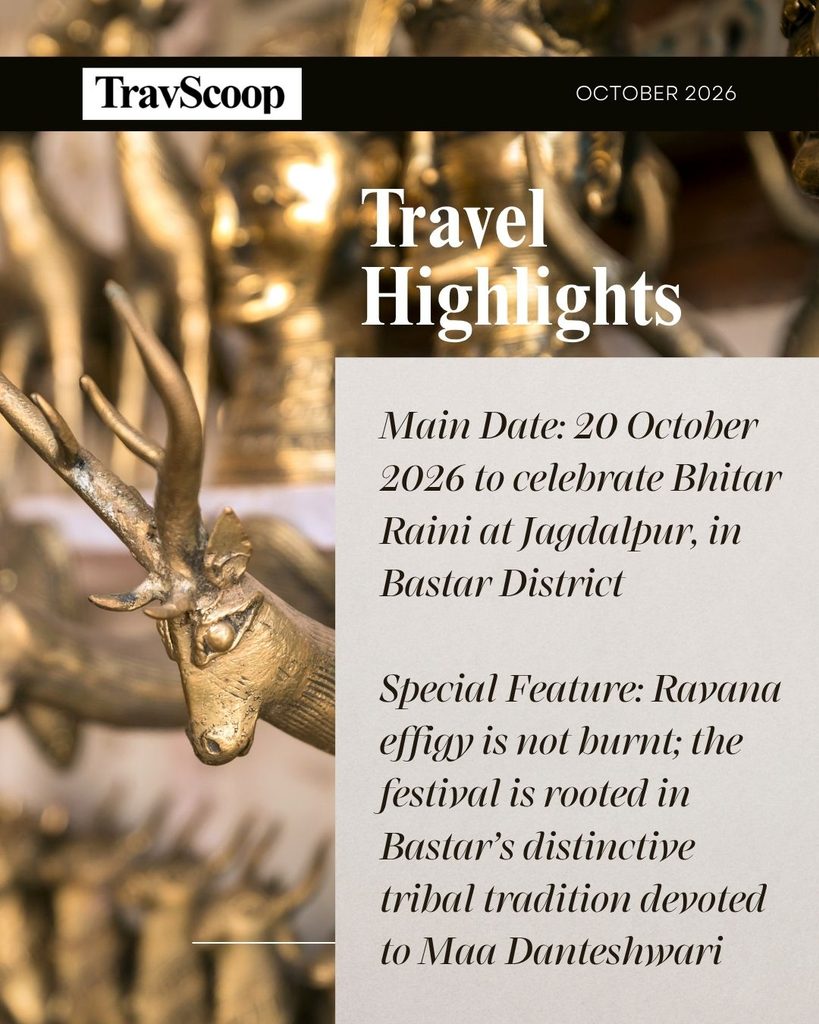
For a Dussehra experience that breaks away from the familiar imagery of Ravana’s effigy, travel to Jagdalpur in Chhattisgarh’s Bastar region. Bastar Dussehra is a distinctive cultural and religious celebration associated with Goddess Danteshwari, local deities and the region’s tribal traditions.
The festival lasts approximately 75 days and features elaborate rituals, traditional chariot processions and community participation. Its roots are associated with the region’s royal history, and its ceremonies preserve traditions that differ significantly from the Ramayana-centred celebrations found elsewhere in India.