Beyond Bollywood and popular songs of Russia, Russian Culture Days in India offer Delhiites a rare chance to witness the country’s centuries old spiritual music heritage during a Delhi concert.
Cultural connections are often built beyond diplomatic meetings and official conversations. Sometimes, a melody, a familiar rhythm, or a shared spiritual experience is all it takes to bring two countries closer.
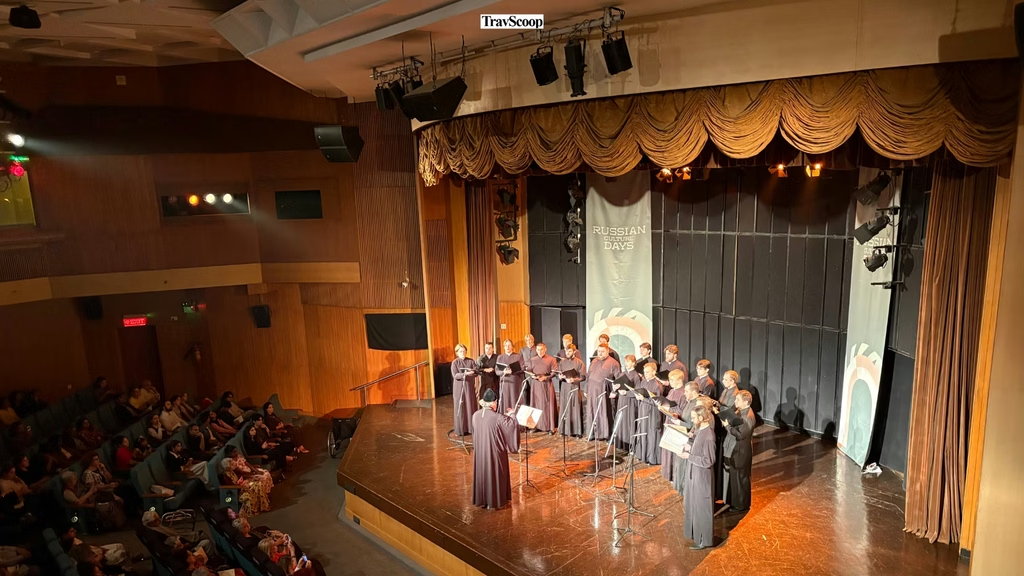
This spirit of cultural exchange was beautifully reflected at New Delhi’s India Habitat Centre on 2 November, where the United Choir of the Moscow Theological Academy and the Holy Trinity–St. Sergius Lavra performed as part of the Russian Culture Days in India.
The Russian choir’s performance was particularly significant given its rich musical legacy. It is among the country’s oldest musical ensembles, with a history dating back to 1337, when the Venerable Sergius of Radonezh founded the monastery.
Organised in collaboration with the Embassy of Russia in India, the musical evening introduced Indian audiences to a distinctive aspect of Russia’s cultural heritage, its centuries-old tradition of sacred choral music, alongside traditional Russian folk songs.
For many in the audience (including some dignitaries and media), it was an opportunity to discover a musical tradition that remains relatively unfamiliar in India, despite the long-standing cultural relationship between the two nations.
A Musical Bridge Between Two Spiritual Traditions
India has a rich musical and spiritual landscape, from devotional chanting and classical traditions to the powerful, collective expression of Qawwali. Russia, too, has a deeply rooted tradition of spiritual music, particularly within its Orthodox Christian heritage.
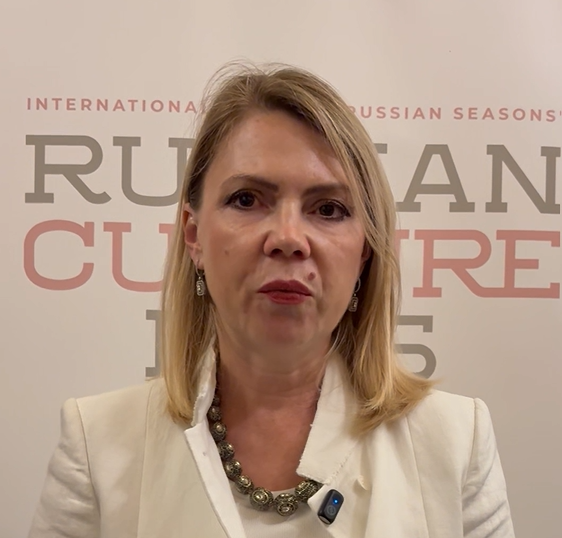
Highlighting the importance of cultural exchange, Diana Alipova, spouse of the Russian Ambassador to India (Denis Alipov), said one of the key objectives of the event was to introduce Indian audiences to Russia’s rich tradition of spiritual monastery music, which is 700 years old.
“We all know about Indian musical traditions such as Qawwali and Indian devotional chanting, but I am afraid that the Indian public is not very familiar with Russian spiritual music,” she observed.
She described the concert as an opportunity for Indian audiences to listen to this music and experience its spiritual depth. Her remarks reflected the broader purpose of such cultural initiatives: to encourage greater appreciation of each other’s artistic and spiritual heritage.
While Indian devotional music and Russian Orthodox choral traditions have their own histories, languages and forms of expression, both show how music can become a powerful tool of collective faith and cultural identity.
Russian Musical Heritage Finds An Audience In Delhi

The united choir brought together the musical traditions associated with the Holy Trinity–St. Sergius Lavra and the Moscow Theological Academy, institutions closely connected with Russia’s religious and cultural heritage.
The ensemble repertoire of sacred choral compositions and folk songs offered audiences a glimpse into the country’s musical identity, where religious expression and traditional music have played an important role across generations.
For the visiting performers, the response from Indian audiences was extremely encouraging.
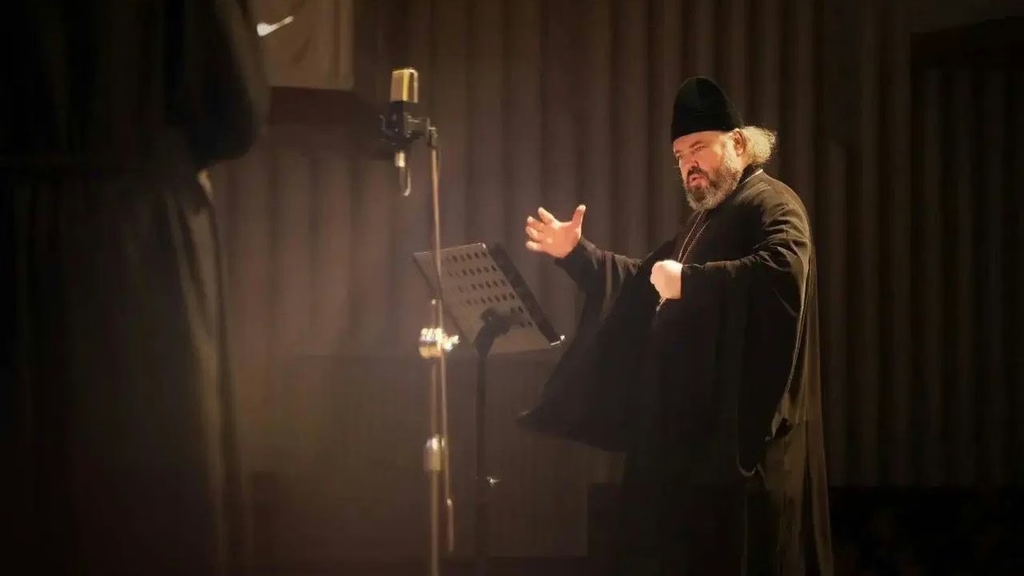
In an interview with TravScoop, Hieromonk Nestor (Volkov), the choir’s choirmaster, said this was the group’s second visit to India and that the reception had been wonderful on both occasions.
He recalled how much the choir appreciated the audience’s response and the opportunity to interact with visitors after the performance.
The conversations following the concert were just as meaningful as the performance itself, offering an opportunity for cultural exchange beyond the stage.
As Christmas approaches, Nestor also extended a message of gratitude to Indian audiences, wishing them prosperity, good fortune, peace and love.
Why Cultural Exchange Matters In India-Russia Ties
India-Russia relations have traditionally been supported by cooperation across several fields, including education, science, technology, cinema and the arts. Cultural engagement adds another dimension to this relationship by allowing people to connect with each other’s traditions firsthand.
Events such as Russian Culture Days in India help bring Russian art, music and heritage to Indian audiences while also creating opportunities for Indian culture to reach Russian visitors.
As Russian sacred music resonated through the India Habitat Centre, it offered Delhi audiences a window into a different spiritual tradition while reinforcing the endless possibilities of India-Russia cultural exchange.