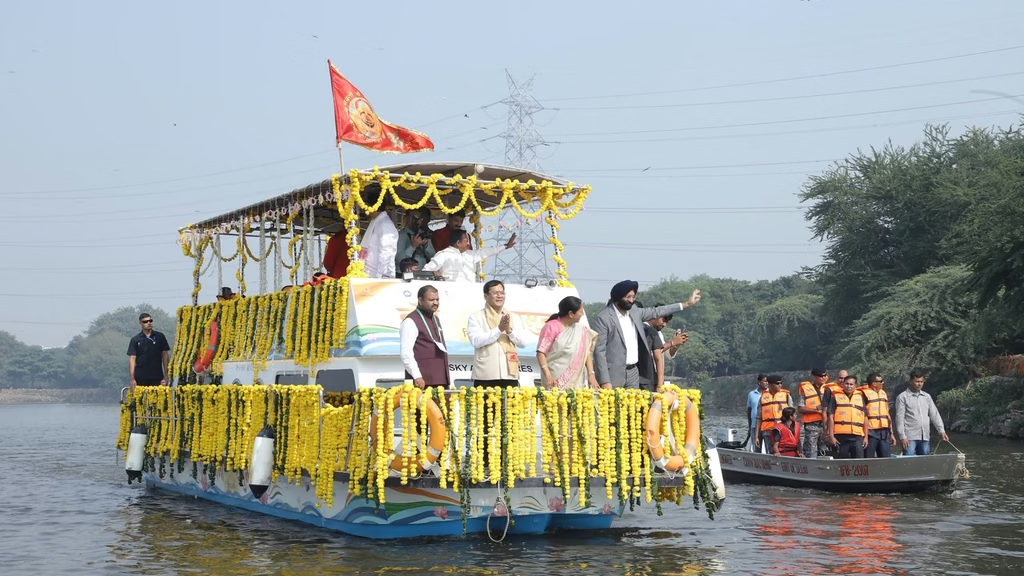
Planning a trip to Ayodhya to witness the spectacular Deepotsav? Here’s your guide to Deepotsav dates, top attractions, and useful travel tips to help you plan your visit.
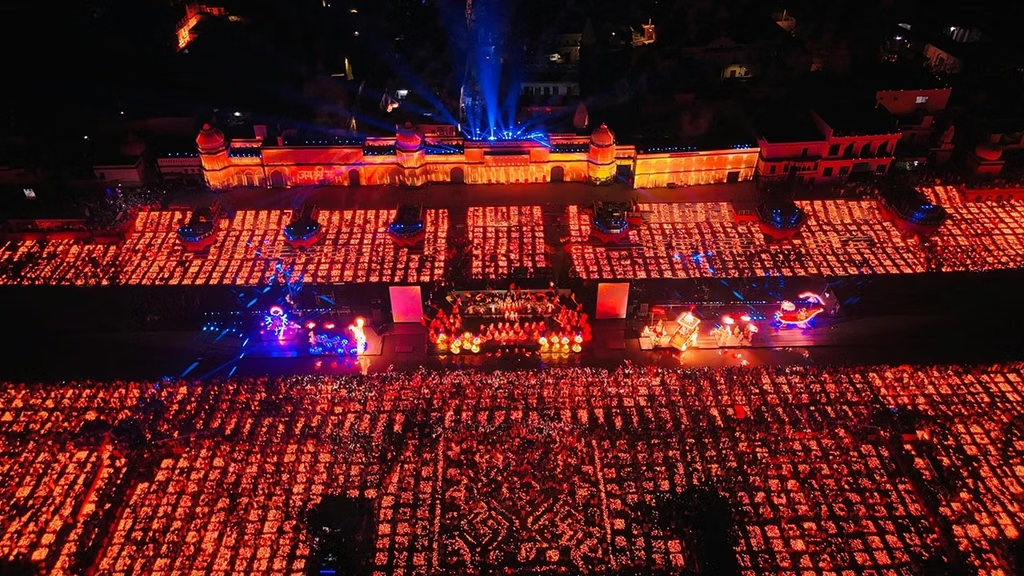
The wait is finally over: the 10th edition of Ayodhya Deepotsav in Uttar Pradesh returns from 5 to 9 November, with grand celebrations scheduled for 7 November, the eve of Diwali. This year, more than 30 lakh diyas will illuminate 56 ghats along the Saryu River. The celebration also brings a 2,100-drone Ramayana show, international Ramlila performances, cultural processions and elaborate light-and-sound displays.
For pilgrims, domestic tourists and international visitors, Deepotsav is a chance to experience Ayodhya beyond its temples. It retells Lord Ram’s return after 14 years of exile on a city-wide scale.
If you are planning to visit Ayodhya for Deepotsav 2026, here’s what you can expect and what you should keep in mind before travelling:
Ayodhya Deepotsav 2026: Date & Venue For The Celebration
The main celebration takes place on 7 November at Ram Ki Paidi on the banks of the Saryu. The five-day programme continues with further cultural events and activities on 8 and 9 November.
The festival has grown enormously since its first edition in 2017, when about 1.71 lakh diyas were lit. In 2025, Ayodhya set a Guinness World Record with 26.17 lakh lamps, and this year’s target is more than 30 lakh. Around 35,000 volunteers are arranging the diyas and creating beautiful rangolis across the riverfront.
30 Lakh Diyas, 2,100 Drones: What Not To Miss at Deepotsav
Deepotsav is not just about lighting millions of lamps, but it’s a celebration that brings together religious rituals, traditional performances, art, and large-scale visual spectacles.
Here are the major attractions visitors should look forward to:
1. Watch Ram Ki Paidi Glow With 30 Lakh Diyas
The key highlight of Ayodhya’s Deepotsav celebration is undoubtedly the lighting of millions of diyas along the Saryu riverfront. As thousands of volunteers light diyas across 56 ghats, their reflections create a spectacular view on the river, a sight that captures the spirit of Deepotsav.
2. Witness The 2,100-Drone Ramayana Show
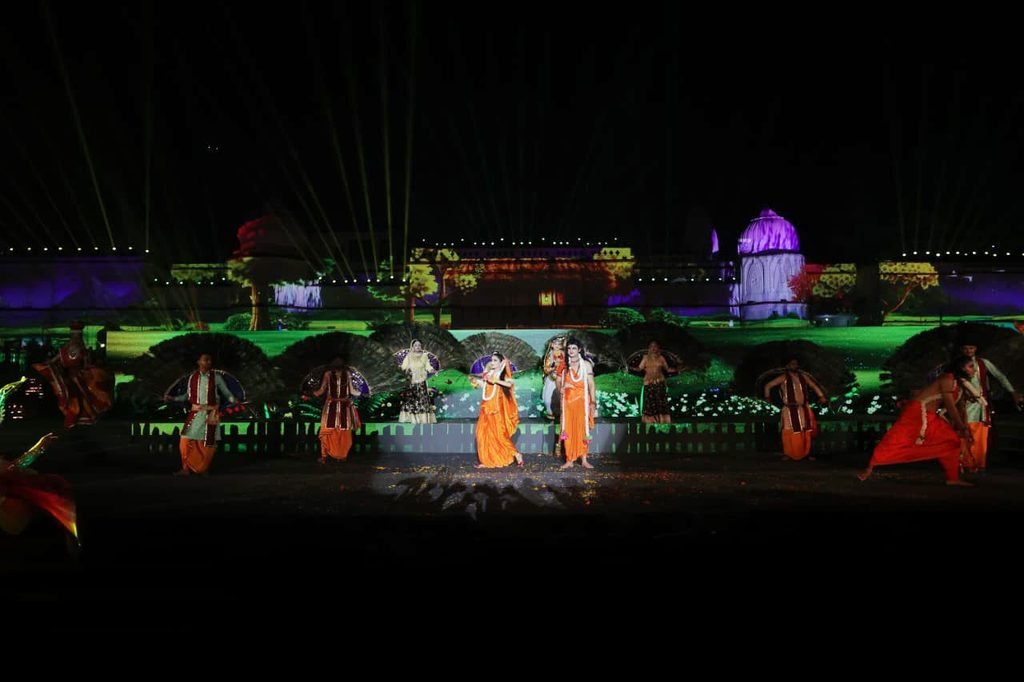
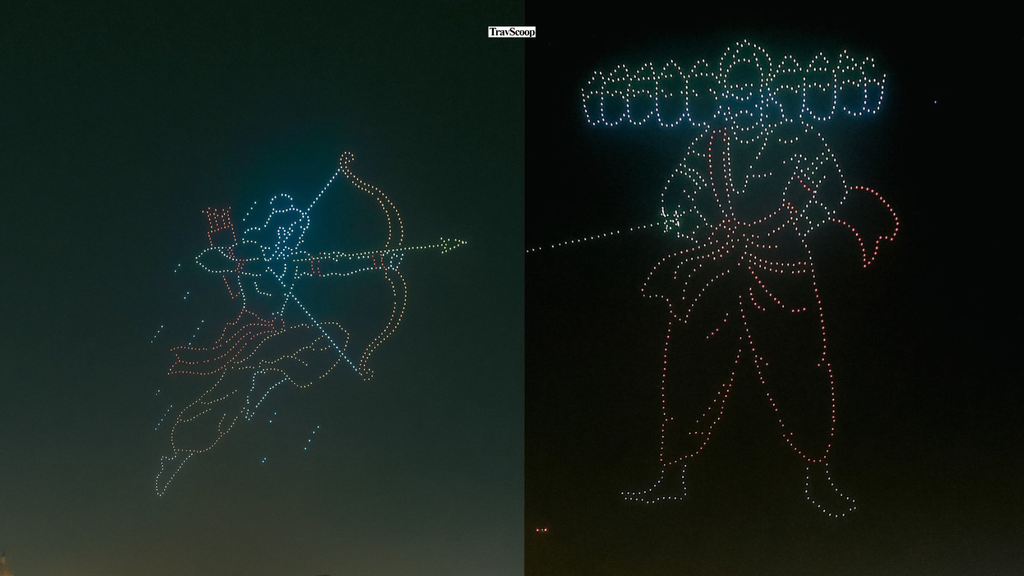
Up from 1,100 drones in 2025, a fleet of 2,100 indigenous drones will recreate important episodes of the Ramayana in the night sky through choreographed formations. The evening programme also includes an eight-minute laser show, a 20-minute projection-mapping presentation and musical fireworks. A representation of the Pushpak Viman will float on the Saryu while a floating stage will depict Lord Ram’s return to Ayodhya through dance, music and Hindi narration.
3. Experience The Saryu Maha Aarti
Another major attraction of Deepotsav is the Saryu Maha Aarti, a half-hour ceremony in the early evening. It will feature 2,147 participants, including public representatives, councillors and members of the public performing Vedic chanting and aarti along the riverfront from Laxman Kila Ghat to Naya Ghat and Ram Ki Paidi. It is the best way to experience Ayodhya’s religious traditions during the festival.
4. Explore International Ramlila & Cultural Performances
Deepotsav 2026 will also bring together artists from India and abroad. Ramlila troupes from South Africa, Sri Lanka, Nepal, Laos and Thailand will perform, showcasing different interpretations of the Ramayana across varied cultures. Around 1,800 to 2,500 artists are expected to perform on 12 stages, including artists from Assam, Bengal, Uttarakhand, Jammu and Kashmir, and Kerala, according to officials.
Visitors can also experience regional folk traditions, including Dollu Kunitha from Karnataka, Ghoomar from Rajasthan, Jhijhiya from Bihar, Tharu cultural performances from Pilibhit, and Vantangiya performances from Gorakhpur. These performances offer an opportunity to see India’s diverse cultural traditions in one destination.
5. See The Grand Ramayana Procession & Thematic Installations
Another highlight will be a procession of tableaux drawn from the seven kands of the Ramayana. The displays will include Ram Rath, Ram Darbar and Pushpak Viman installations, themed gateways and 20 selfie points (ten each at Ram Katha Park and Ram Ki Paidi), giving the festival a visual trail to follow. A Bharat Milap stage near Ram Katha Park rounds out the programme.
Deepotsav 2026: A Festival That Also Supports Local Artisans
Beyond its religious and tourism significance, Deepotsav is also creating employment for local communities and traditional artisans. This year, an order worth ₹12.8 lakh has been placed with 25 women from Gyaspur in Ayodhya and Kajiyapur and Bhaghar Jheel in Barabanki for 1.60 lakh diyas. Additionally, 197 potters had received electric pottery wheels to increase their production capacity.
The initiative highlights how a large cultural celebration can also support traditional livelihoods, particularly pottery-making communities.
Ayodhya Travel Guide: How To Plan Your Deepotsav Visit
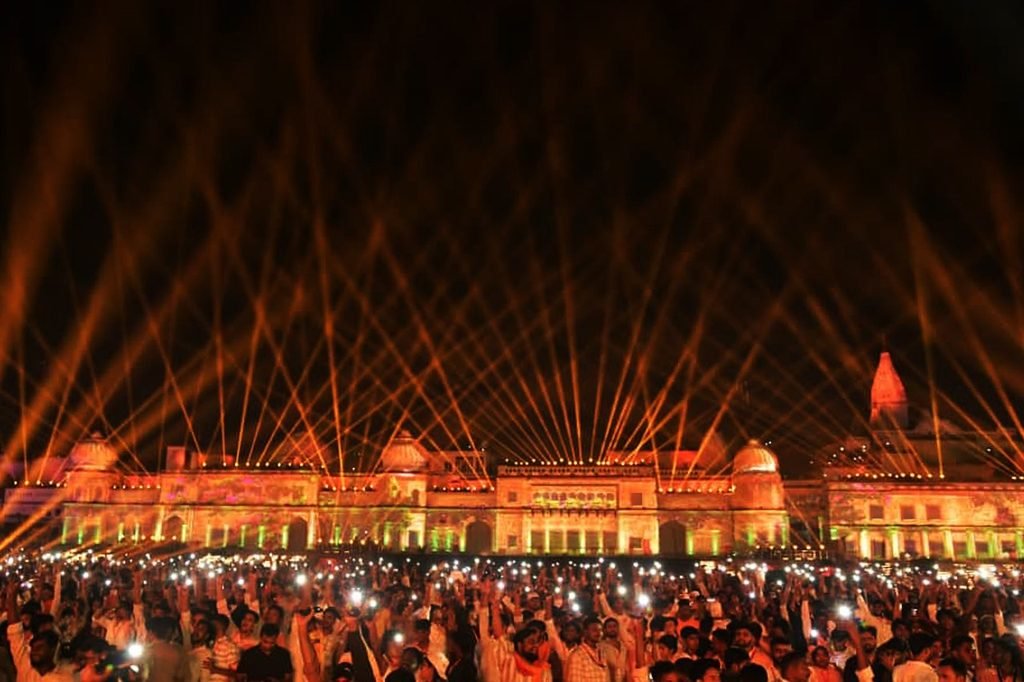
Planning to experience Ayodhya Deepotsav in person? Given the scale of the celebrations and crowds, a little planning can make your visit more comfortable.
When Should You Visit Ayodhya?
If your primary reason for travelling is to witness the grand diya lighting and evening spectacle, plan your visit around November 7. The festivities continue until November 9, with additional programmes planned for 8 November. A separate drone show on 9 November is being organised exclusively for Ayodhya residents, so visitors should not assume access to that particular programme.
Places To Visit In Ayodhya
While Ram Ki Paidi will be the centre of Deepotsav celebrations, consider exploring other important attractions in the temple town.
- Shri Ram Janmabhoomi Temple: One of Ayodhya’s most significant religious landmarks.
- Hanuman Garhi: A prominent temple dedicated to Lord Hanuman.
- Kanak Bhawan: Known for its beautiful architecture and religious significance.
- Saryu River and Ram Ki Paidi: Important pilgrimage spots and the main venue of Deepotsav.
- Lata Mangeshkar Chowk: A prominent city landmark that will also feature themed installations during the festival.
You can combine these attractions with the Deepotsav celebrations to make the most of your Ayodhya trip.
Travel & Accommodation Tips
Ayodhya is connected by air, rail, and road, making it accessible for travellers from different parts of India. However, with thousands of visitors expected during Deepotsav, plan your transport and accommodation well in advance, as demand peaks around the main celebration.
Keep these travel tips in mind:
- Book your hotel early: Accommodation demand can rise significantly around the main celebration. Confirm your stay and transport before travelling.
- Plan your arrival: Reach Ayodhya well before the main event, particularly if you want to explore the temples and attend the evening programme.
- Expect traffic restrictions: Large public gatherings may lead to traffic diversions, restricted vehicle movement, and changes in access routes. Follow local administration advisories.
- Wear comfortable footwear: You may need to walk long distances between ghats, temples, and designated viewing areas.
- Carry essentials: Keep drinking water, a power bank, essential medicines, and weather-appropriate clothing handy.
- Follow safety instructions: Stick to designated visitor areas, avoid overcrowded stretches, and follow instructions issued by local authorities.
Why Ayodhya Deepotsav Should Be On Your Travel Bucket List
Deepotsav is much more than a grand display of millions of diyas. Whether you come for the lamplit ghats, the drone show, or the Ramlila stages, it is an event worth planning your November around. If you are looking for a culturally immersive travel experience, the festival offers a memorable way to experience India’s living traditions.