Every destination wedding looks magical in pictures, but it doesn’t mean it is meant for you. Before you book that dream resort, here is everything you need to know to make your celebration seamless, memorable, and worth every rupee.
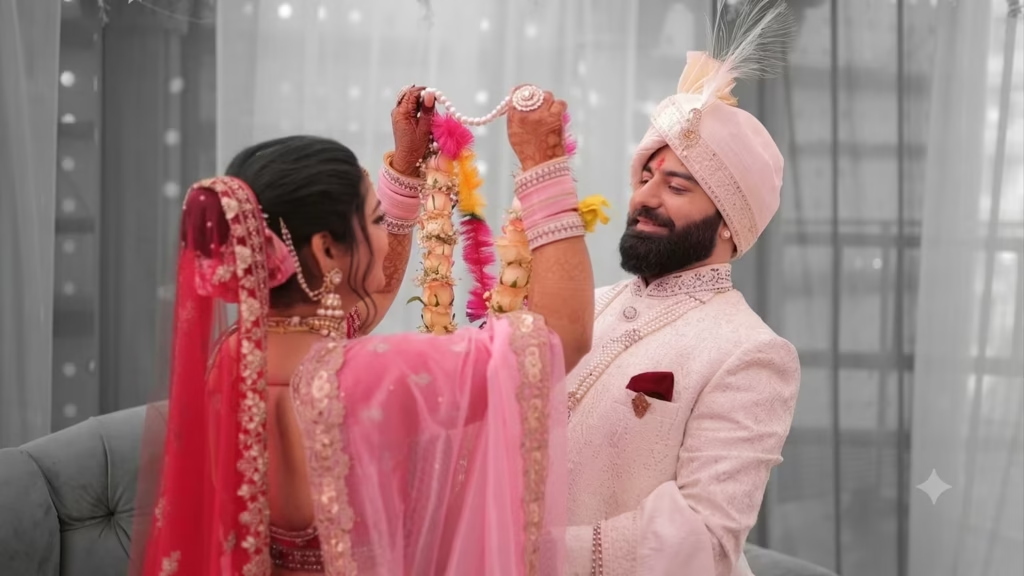
Picking a wedding destination sounds romantic until you find yourself lost in endless group chats, staring at a spreadsheet filled with resort quotes, or realising that your cousin from Canada still hasn’t heard back from the visa office.
A destination wedding in India can be one of the most magical experiences of your life or a stressful mess disguised in roses. The key difference often lies in how carefully and meticulously you choose the destination.
From weather surprises and guest travel hassles to hidden costs and venue limitations, selecting a perfect wedding destination involves far more than aesthetic views. This destination wedding planning guide walks you through exactly how to select the right location and plan your destination wedding like a pro, even if it is your first time.
How To Choose The Right Wedding Destination Location
A picture-perfect destination can be deceiving. Before you fall in love with a Pinterest-inspired venue, run every shortlisted destination through these eight essential filters trusted by seasoned wedding planners to avoid costly surprises.
1. Weather
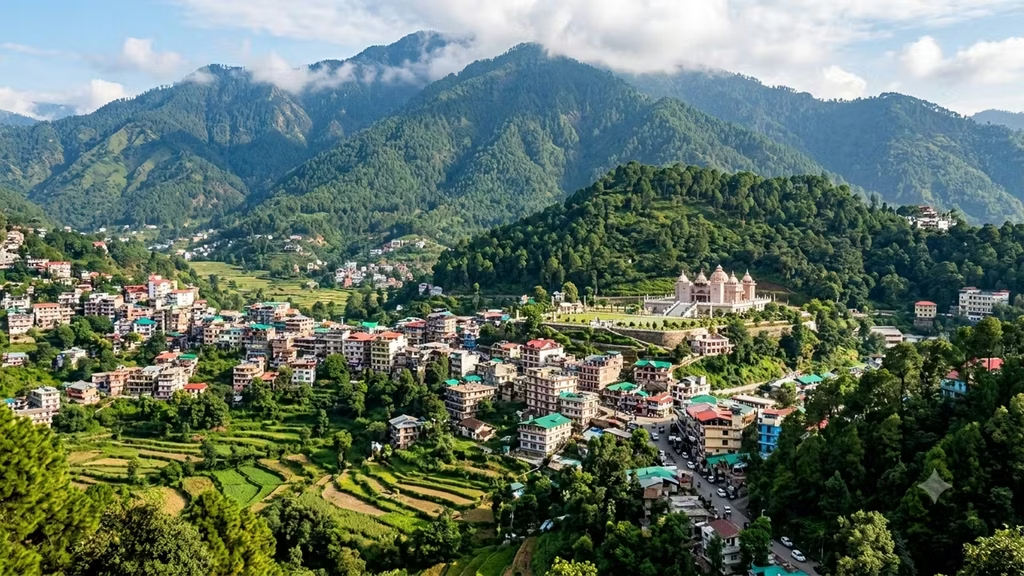
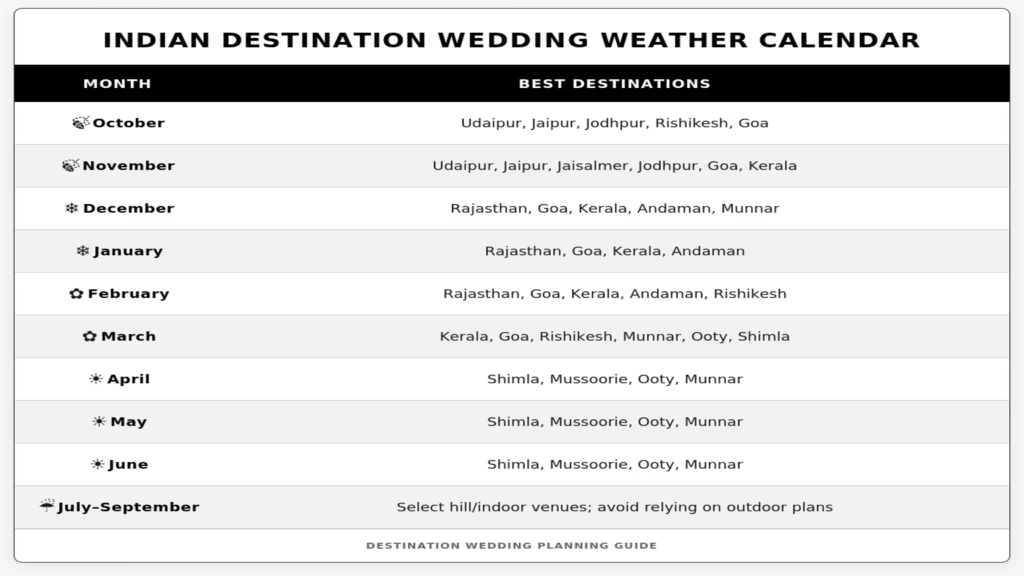
India is too large for a single wedding season. Rajasthan and Delhi-NCR are pleasant from October to March but are scorching in May. Goa turns humid and rainy from June to September. Hill stations like Shimla, Mussoorie, and Coorg are stunning in summer but can get cold and foggy in December, which matters a lot if you are planning an evening mandap.
Check the destination’s climate calendar for your wedding date before you match your outfits to the venue.
2. Connectivity
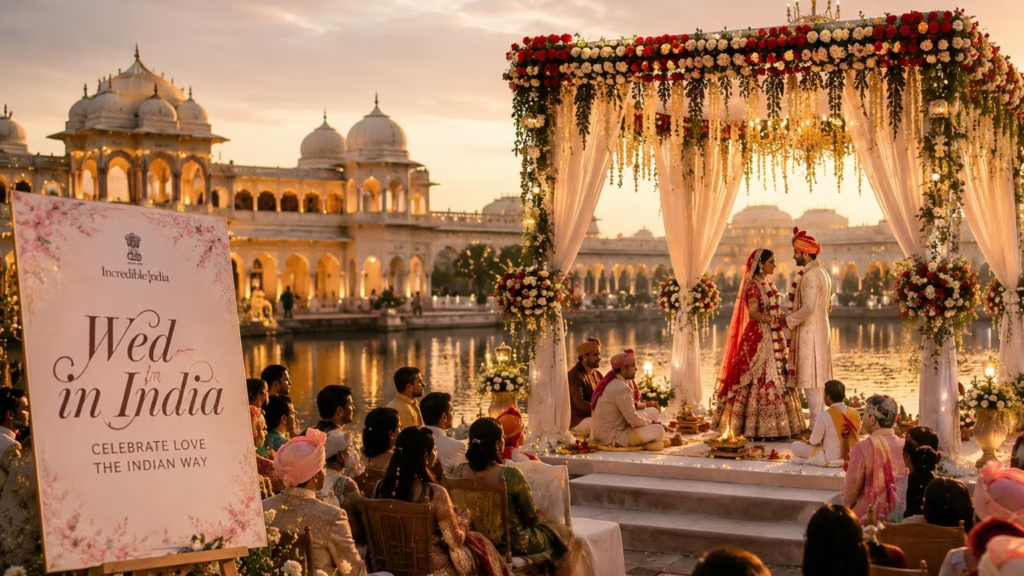
A dreamy hilltop resort can quickly turn into a logistical nightmare if elderly relatives have to take a flight, then a four-hour cab ride on winding roads, followed by a palanquin up a hill. Check the nearest airport, average transfer time, and flight frequency before finalising the destination. Places such as Udaipur, Jaipur, and Goa are relatively easy to access, thanks to direct connectivity from most Indian metros, while parts of Uttarakhand, Himachal Pradesh, and the Northeast need more careful planning.
3. Guest Travel
Think beyond flights. Consider how many guests are elderly, travelling with small kids, or coming from abroad. Will foreign guests need visas, and how long will the approval process take? Are there enough hotel rooms available during your wedding dates, or could your celebration clash with a local festival or peak tourist season?
4. Venue Capacity
A palace lawn that looks endless in photos might comfortably seat 150, not the 400 you plan to invite. Always confirm the venue’s actual seated and standing capacities for each event, as mehendi, sangeet, and pheras often use different spaces within the same property, and each has its own limit.
5. Resort Quality
Star ratings do not reveal the whole story. Ask specifically about room inventory (the number of rooms the property can block for your dates), backup power and water, in-house catering options for Indian menus, and whether the property has hosted Indian weddings before. A resort with experience in sangeets and baraats will anticipate issues you haven’t even considered. Always ask if the buyout options are available on your dates.
6. Local Vendors
Great venues do not always come with good vendor ecosystems. Always check whether the destination has experienced local decorators, caterers, makeup artists, and sound-and-light teams, or whether you will need to fly in your own team, which can add significantly to the budget. Places like Udaipur, Jaipur, and Goa have established vendor networks, while emerging destinations may require more external support.
7. Budget
Location affects cost more than anything else. Account for venue rental, guest travel subsidies (if you are covering flights or stays), vendor travel and accommodation costs if you bring in teams from elsewhere, and local taxes or permit fees. A destination that looks cheaper initially can become expensive once vendor logistics are added in, and vice versa.
Check out the best luxury wedding destinations in India under budget, curated by us.
8. Photography Locations
A good wedding destination should give your photographer multiple backdrops. Look for venues with diverse settings within walking distance, such as a lake, a courtyard, a rooftop, or a garden, so your photo album does not look as if it was shot in one single spot.
How To Plan A Luxury Destination Wedding In India
Once you have shortlisted a destination using the checklist above, here is how the actual planning usually proceeds.
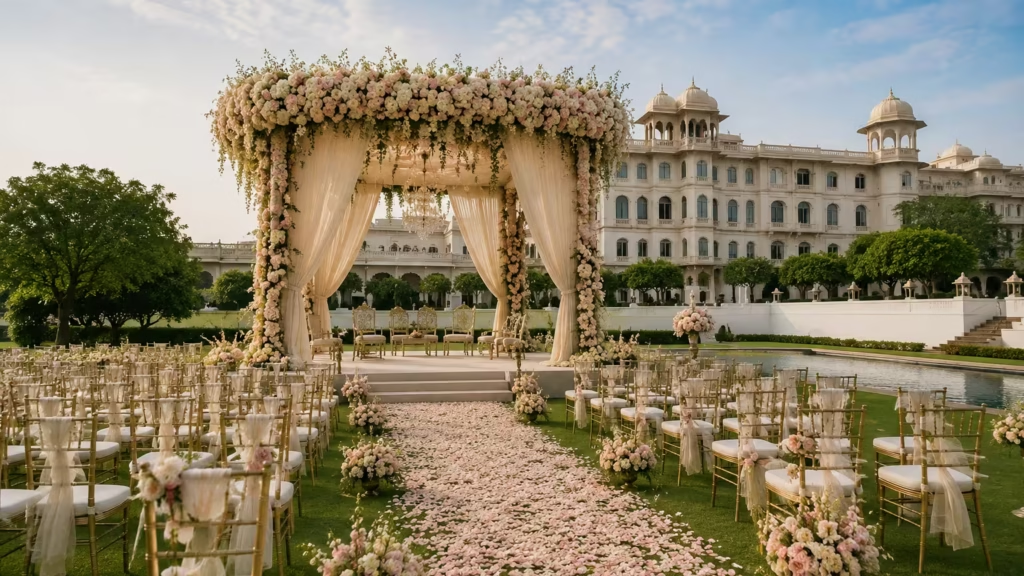
- Lock your dates 8 to 12 months ahead; that also saves money. Prime venues in Udaipur, Jaipur, and Goa get booked well over a year in advance during peak wedding season, which runs from October to February.
- Hire a destination wedding planner early. For a multi-day, multi-venue wedding, a planner is not just a luxury; they are the difference between you enjoying your own wedding and being stuck on the phone with the caterer.
- Block guest accommodations in bulk in advance. Reserve room blocks at the main venue and a few nearby properties to offer guests a choice of stay that balances comfort, convenience, and affordability, while keeping everyone close to the wedding festivities.
- Build a realistic guest travel plan. Share a simple travel document with flight options, the nearest airport, and recommended cab or shuttle services, especially for outstation and international guests.
- Plan functions around the destination’s strengths. A haldi at sunrise by a lake, a sangeet against a hill backdrop, or a beach mandap at golden hour. Let the location shape the flow of your events rather than imposing a fixed template on it.
- Prepare a backup plan for monsoon or extreme heat. Weather can be unpredictable, even in the right season. Always have an indoor option for every outdoor function.
- Finalise vendors with site visits, not just video calls. A caterer’s food can taste different depending on the location. Always do a tasting at or near the actual venue whenever possible.
- Reconcile the budget in phases, not all at once. Start with the venue and rooms first, then move on to catering and decor, then vendor travel, and finally the smaller costs that tend to escalate as the date approaches (favours, transport, welcome kits).
We hope our destination wedding planning guide answers all your questions and helps you choose the perfect destination wedding in India for your most special day. And if you want to know where Indian couples are actually getting married, tap the link below.